The Ultimate Moving Abroad Checklist: Everything You Need to Do Before, During, and After Your Move
A comprehensive, timeline-based moving abroad checklist built from 25+ years of helping families relocate internationally. Covers everything from 3 months before your move to settling into your new home, including shipping-specific steps most guides miss.

Moving to another country is one of the most exciting decisions you will ever make. It is also one of the most logistically demanding. After helping thousands of families and individuals relocate internationally over the past 25+ years, we have seen firsthand what separates a smooth move from a stressful one: preparation.
The difference between a chaotic international move and a seamless one almost always comes down to when you start planning and whether you cover the steps that most generic checklists leave out. This moving abroad checklist is built from real experience handling relocations from the United States to Europe, Asia, South America, and beyond.
We have organized everything into a clear timeline so you know exactly what to tackle and when.
3 Months Before Your Move: Lay the Groundwork
The biggest mistake people make is underestimating how long international logistics take. Three months out is when the serious planning begins.
Visas, Permits, and Legal Requirements
- Apply for your visa or work permit. Processing times vary widely by country. Some European work permits take 8 to 12 weeks. Do not assume you can rush this.
- Check passport validity. Most countries require your passport to be valid for at least six months beyond your planned entry date. If yours is expiring soon, renew it now.
- Research residency registration requirements. Many countries require you to register with local authorities within days of arrival. Know what documents you will need before you land.
Gather and Organize Critical Documents
Start collecting certified copies of everything you might need. Getting replacements from overseas is slow and expensive.
- Birth certificates and marriage certificates
- Medical and dental records, including vaccination history
- Prescription documentation with generic drug names (brand names differ internationally)
- Academic transcripts and professional certifications
- Driving license and International Driving Permit application
- Financial records, tax returns, and bank statements
- Power of attorney and estate planning documents
- Pet vaccination records and veterinary health certificates
Pro tip from our team: Scan every document and store digital copies in a secure cloud service. Also keep a physical set in your carry-on luggage, not your checked bags.
Start Your Shipping Research Early
This is where most international moving checklists fall short. They tell you to “hire a mover” without explaining what that actually involves for an overseas move.
- Decide what to ship, sell, store, or donate. International shipping is priced by volume, so be ruthless. A good rule: if it costs less than the shipping price to replace it, leave it behind.
- Understand your shipping options. Ocean freight is the most cost-effective for household goods and takes 4 to 8 weeks depending on the route. Air freight is faster but significantly more expensive. For smaller moves, a shared container or mini-move service can save you thousands compared to booking a full container.
- Get quotes from licensed carriers. In the United States, any company shipping your household goods overseas must hold a license from the Federal Maritime Commission (FMC). City Post Express operates under FMC license #034938. Always verify this before handing your belongings to anyone.
- Ask about Transfer of Residence (ToR) paperwork. This is the step most people miss entirely. Many countries, including Ireland, the UK, and EU member states, offer duty-free importation of personal effects if you are permanently relocating. But you must complete specific customs paperwork before your goods arrive. Your shipping company should handle this, but not all of them do. Ask upfront.
Financial Planning
- Notify your bank that you are moving abroad so your cards are not frozen for suspicious international activity.
- Research international banking options. Some banks offer expat-specific accounts. Consider opening a local bank account in your destination country before you arrive if possible.
- Understand your tax obligations. US citizens must file federal taxes regardless of where they live. Look into the Foreign Earned Income Exclusion and foreign tax credits. Consult a tax professional who specializes in expat taxes.
- Build an emergency fund. We recommend having at least three months of living expenses accessible in your destination currency. Unexpected costs always come up during an international move.
6 to 8 Weeks Before: Book Your Shipment and Handle Logistics
This is the window when you need to lock in your shipping arrangements. Based on our experience, booking ocean freight 4 to 6 weeks before your move date is the sweet spot. Any later and you risk delays or premium pricing.
Shipping and Customs Preparation
- Book your shipment. Confirm dates, pickup arrangements, and delivery estimates with your shipping company. Get everything in writing.
- Create a detailed inventory list. Customs authorities in your destination country will require a packing list that describes every item being shipped. This is not optional. A vague list like “boxes of household goods” will cause delays at customs. Be specific: “4 dining chairs, oak, used” is what they need.
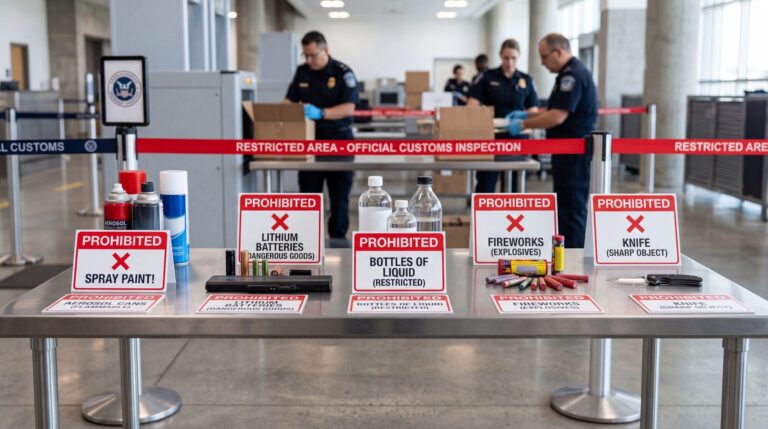
- Identify prohibited and restricted items. Every country has different rules. Australia prohibits certain wooden items unless they have been treated. Many countries restrict electronics with lithium batteries in ocean freight. Ireland prohibits importing certain food products. Your shipping company should provide a country-specific restricted items list.
- Arrange insurance. Standard carrier liability covers very little. Purchase comprehensive transit insurance that covers the full replacement value of your shipment. We offer this through our shipping packages.
Housing and Accommodation
- Arrange temporary housing for arrival. Your shipment will arrive weeks after you do. Book short-term accommodation for at least your first month.
- Decide what to do with your current home. Selling, renting, or ending a lease all have different timelines. If you are selling, list your property well ahead of your move date.
- Research neighborhoods. If possible, visit your destination before you move. If you cannot visit in person, use online expat communities and forums for first-hand neighborhood advice.
Healthcare
- Schedule medical and dental checkups. Get everything done while you still have your current insurance coverage.
- Stock up on prescriptions. Get a 90-day supply of any medications you take regularly. Carry a letter from your doctor explaining what each medication is and why you need it.
- Research health insurance in your destination country. Some countries require proof of health insurance for residency. Others have public healthcare systems you may or may not qualify for immediately.
1 Month Before: Tie Up Loose Ends
The final month is about closing out your current life and preparing for the transition.
Administrative Tasks
- Set up mail forwarding through USPS. You can forward mail for up to one year.
- Cancel or transfer subscriptions, memberships, and utilities. Gym memberships, streaming services, magazine subscriptions, electric, gas, internet, and phone plans all need attention.
- Update your address with the IRS, Social Security Administration, your bank, insurance providers, and any other institutions that send you mail.
- Notify your employer if you are transferring internationally or resigning.
Packing Strategy
- Pack a “first week” kit with everything you need immediately on arrival: clothes for a week, toiletries, chargers, adapters for your destination country’s outlets, essential documents, and any medications.
- Separate items for your suitcase vs. your shipment. Valuables, irreplaceable items, and anything you need within the first month should travel with you, not in your shipment.
- If your shipping company is packing for you, confirm the packing date and make sure everything you want shipped is clearly identified and separated from items staying behind.
If You Are Moving to Ireland or the UK
These are among our most common routes, so a few specific notes. You will need your Transfer of Residence form (C&E 1076 for Ireland, ToR1 for the UK) completed before your goods arrive. You must have lived outside the country for at least 12 months to qualify for duty-free importation. Your goods must have been owned and used for at least 6 months. We walk through all of this in our guide to moving to Ireland from the US.
1 Week Before: Final Preparations
- Confirm your flight and check luggage allowances. Consider shipping extra luggage separately if you are over the limit. It is often cheaper to ship boxes than to pay airline excess baggage fees.
- Withdraw some local currency for your destination or arrange to pick up currency at the airport. Have enough cash for a taxi, a meal, and basic necessities on arrival.
- Notify your credit card companies of your travel dates and destination so your cards work from day one.
- Confirm your temporary accommodation and make sure you have the address, check-in instructions, and a contact number saved offline in case you do not have phone service immediately.
- Back up your phone and computer. Store backups in the cloud and on a physical drive you carry with you.
- Say your goodbyes. This matters more than you think. Do not leave it to the last day.
Moving Day
- Do a final walkthrough of your home. Check closets, the garage, the attic, and storage areas.
- Verify your shipment details with your moving company. Confirm the pickup is on schedule and you have a tracking reference.
- Keep essential documents on your person. Passport, visa documents, insurance paperwork, and your inventory list should be in your carry-on, not your checked luggage.
- Take photos of your home before leaving, especially if you are renting. This protects your security deposit.
After Arrival: Your First 2 Weeks
You have landed. The hard part is behind you, but there is still work to do.
Immediate Priorities
- Register with local authorities if required. In many European countries, you must register your address within a few days of arrival.
- Get a local SIM card or phone plan. Having a local number makes everything easier, from setting up bank accounts to receiving deliveries.
- Open a local bank account. You will typically need your passport, proof of address (even temporary), and sometimes a reference letter from your previous bank.
- Register with your country’s embassy or consulate. The US State Department’s Smart Traveler Enrollment Program (STEP) is free and provides safety updates and assistance in emergencies.
When Your Shipment Arrives
- Be present for customs clearance paperwork if required. Your shipping company should coordinate this, but in some countries you may need to sign documents in person.
- Inspect your shipment on delivery. Check items against your inventory list. Note any damage immediately and photograph it before signing the delivery receipt.
- File any damage claims promptly. Most insurance policies have strict deadlines for reporting damage, typically within 30 to 60 days of delivery.
Settling In
- Find a local doctor and dentist. Do not wait until you need one.
- Learn the public transportation system. Even if you plan to drive, knowing your local transit options gives you flexibility.
- Explore your neighborhood. Find your nearest grocery store, pharmacy, post office, and hospital.
- Connect with expat communities. Local expat groups, both online and in person, are invaluable for practical advice and social connections.
The Shipping Steps Most Checklists Miss
After decades in the international shipping business, here are the items we consistently see people overlook:
- Customs inventory lists must be detailed. “Miscellaneous household items” will get your shipment held up. List every item with a description and approximate value.
- Transfer of Residence paperwork has deadlines. In Ireland, you must apply within 12 months of arrival. Miss the window and you will pay full customs duty on your own belongings.
- Not all shipping companies are licensed. Unlicensed operators can disappear with your belongings. Always verify FMC licensing for US-origin shipments.
- Ocean freight has seasonal peaks. Summer is the busiest and most expensive time. If you have flexibility, moving in the shoulder months of September through November or February through April can save you money and reduce transit times.
- Your shipment and your arrival will not be on the same day. Plan for 4 to 8 weeks without your household goods. Pack accordingly.
Get Expert Help With Your International Move
At City Post Express, we specialize in international shipping for people relocating overseas. Whether you are moving a few boxes or an entire household, we offer mini-move services, full container shipments, and everything in between. We handle customs documentation, Transfer of Residence paperwork, and door-to-door delivery to destinations worldwide.
As an FMC-licensed shipping company (license #034938) with more than 25 years of experience, we have helped thousands of families make their international move with confidence. View our shipping packages or contact us for a free quote.
Related Reading
Ready to Ship?
Get a free, no-obligation quote for your move. Door-to-door service with customs clearance included.
Get a Free Quote