Study Abroad Packing List 2026: What to Ship and What to Carry
The complete study abroad packing list for 2026, organised by category. Know exactly what to carry in your luggage vs what to ship ahead to Ireland, the UK, or Europe.
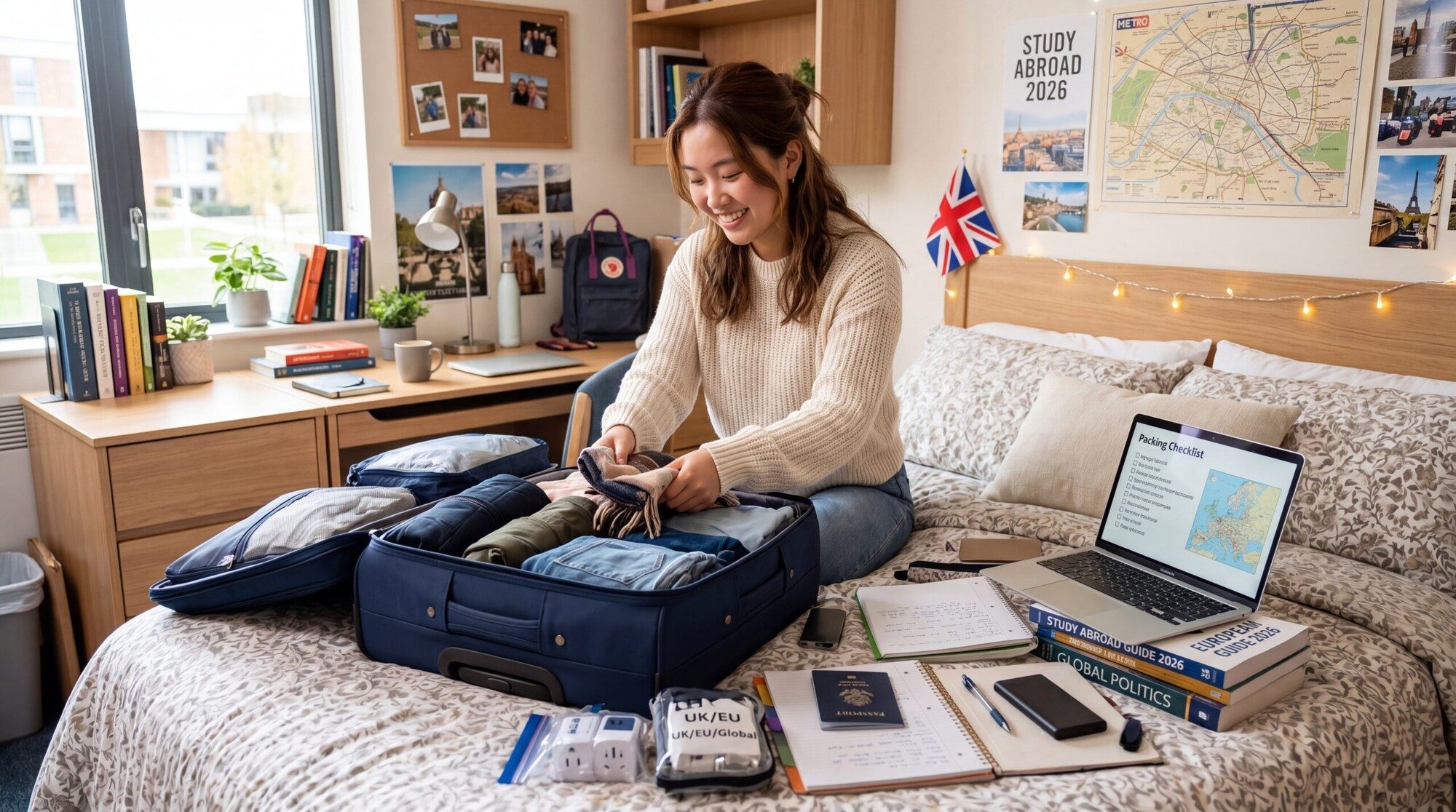
Every year, thousands of American students pack up their lives and head to Ireland, the UK, and mainland Europe for a semester or full academic year abroad. The excitement is real, but so is the stress of figuring out what goes in your suitcase, what stays home, and what should be shipped ahead separately.
After years of helping students ship their belongings to universities across Europe, we have seen every packing mistake in the book. This study abroad packing list for 2026 is built around one key principle: carry what you need immediately, and ship everything else.
The Two-Bag Rule: Carry vs Ship
Most airlines allow one checked bag (50 lbs / 23 kg) and one carry-on for transatlantic flights. Some student fares include two checked bags, but even then, you are working with roughly 100 pounds of luggage. That is not much when you are setting up life in a new country for four months or longer.
The smartest approach is to split your packing into two categories:
- Carry in your luggage: essentials you need on day one — documents, electronics, a week of clothes, medications, and toiletries.
- Ship ahead: bulkier items you need but cannot fit in airline luggage — extra clothing, bedding, kitchen supplies, books, and comfort items from home.
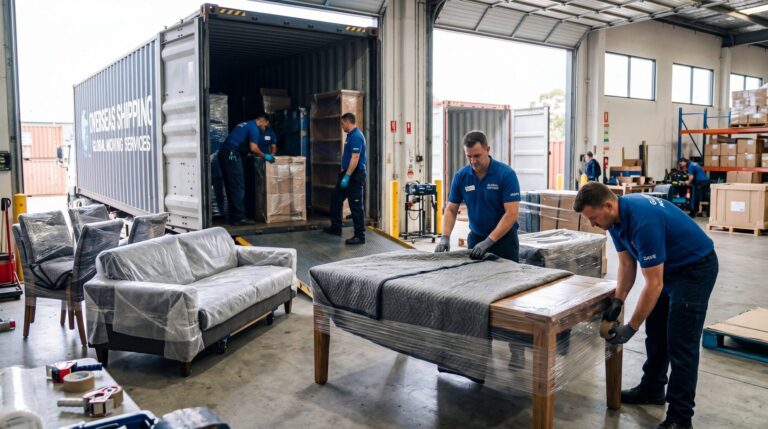
Shipping a box or two ahead with a service like City Post Express student shipping is often cheaper than paying airline excess baggage fees, and it means you arrive without dragging four overstuffed suitcases through Dublin Airport or London Heathrow.
What to Carry in Your Luggage
Documents (Carry-On Only)
Keep all of these in your carry-on bag — never in checked luggage:
- Valid passport (check that it does not expire within six months of your return date)
- Printed visa or visa approval letter
- University acceptance letter and enrollment confirmation
- Housing contract or accommodation confirmation
- Proof of health insurance (EHIC/GHIC for the UK, or your university’s international student insurance)
- Photocopies of all documents above, stored separately from originals
- Digital copies saved to cloud storage
- Emergency contact list with phone numbers that work internationally
- Debit and credit cards with no foreign transaction fees
- A small amount of local currency (GBP or EUR) for transport from the airport
Electronics
- Laptop and charger
- Smartphone and charger
- Universal power adapter — Type G for the UK and Ireland, Type C/F for most of mainland Europe
- Portable power bank (must go in carry-on, not checked bags)
- Noise-cancelling headphones
- USB flash drive or portable hard drive for coursework backups
Tip: Do not bother bringing a voltage converter for modern electronics. Laptops, phone chargers, and most modern devices are dual voltage (100–240V). Check the fine print on your charger — if it says 100–240V, you only need a plug adapter, not a converter.
Clothing (One Week’s Worth)
Pack enough clothes for your first 5–7 days. You will do laundry abroad just like you do at home. Focus on layers and versatility:
- 5–7 tops in neutral colours that mix and match
- 2–3 pairs of trousers or jeans
- 7–10 pairs of underwear and socks
- 1 waterproof jacket (essential for Ireland and the UK — it will rain)
- 1 warm layer: fleece, hoodie, or light down jacket
- 1 nicer outfit for dinners or events
- Comfortable walking shoes (you will walk far more than you expect on cobblestones and campus paths)
- Flip-flops or shower shoes for shared bathrooms
- Workout clothes if you plan to use the university gym
- Pyjamas
If you are studying in Ireland or the UK, prioritise waterproof and layered clothing over heavy winter coats. The climate is mild but wet — temperatures rarely drop below freezing, but you will see rain multiple times a week. A quality waterproof jacket is worth more than three heavy jumpers.
Toiletries and Health
- Prescription medications for your full stay, with a copy of the prescription
- Travel-size shampoo, conditioner, body wash, and toothpaste for the first few days
- Preferred deodorant (your favourite brand may not be available abroad)
- Contact lenses or glasses, with your optical prescription
- Basic first aid: plasters, paracetamol/ibuprofen, antihistamines
- Sunscreen (yes, even in Ireland — you can still burn on overcast days)
- Any specialty hygiene products you rely on
Tip: Do not pack full-size bottles of shampoo or shower gel. They are heavy, they leak, and you can buy them at any Tesco, Boots, or Aldi within walking distance of your accommodation. Pack only enough to get through your first 48 hours.
What to Ship Ahead
These are the items that make your student accommodation feel like home but are too bulky or heavy for airline luggage. This is exactly where student shipping saves you money and hassle.
Bedding and Linens
- Duvet and pillow (some university accommodations provide these, but many do not — check with your housing office)
- Fitted sheet, flat sheet, and pillowcases
- A towel set (bath towel, hand towel, face cloth)
- A light blanket or throw for your room
Note: UK and Irish beds often use different sizes than US beds. A US “Twin XL” (the standard US dorm size) is close to a UK “Single,” but not identical. Check your accommodation’s bed size before shipping sheets. When in doubt, buy fitted sheets locally and ship your duvet and pillow.
Kitchen Essentials
If your student accommodation has a shared kitchen (most do in Ireland and the UK), consider shipping a small box with:
- A good chef’s knife (cannot carry this in luggage)
- A reusable water bottle
- A travel mug for coffee
- A few favourite spices or condiments from home (check customs rules for your destination)
- A set of basic utensils if you prefer your own
Extra Clothing
- Seasonal clothing you will need later in the term — heavier coats for winter, lighter items for spring
- Formal wear for events, interviews, or internships
- Sports gear or equipment for clubs you plan to join
- A second pair of sturdy shoes
Comfort and Study Items
- Photos, small decorations, or items that make a room feel like yours
- Textbooks or course materials (if physical copies are required)
- A desk lamp (check the plug type and voltage)
- Stationery and notebooks
Semester vs Full Year: How Your Packing Changes
If you are heading abroad for a single semester (typically 4–5 months), you can get away with one checked bag and one shipped box. You will likely not need a full wardrobe change between seasons, especially if you time your packing to the weather you are arriving into.
A full academic year is a different story. You will experience at least two or three seasons, which means you need a broader range of clothing. Shipping becomes even more valuable here — rather than hauling a year’s worth of clothes on the plane, you can ship your autumn and winter wardrobe ahead and have lighter spring and summer items sent in a second shipment partway through the year.
With City Post Express, you can also arrange for your belongings to be collected from your dorm at the end of term and shipped back home, so you do not have to deal with excess luggage on your return flight either.
What Not to Pack
Save yourself the weight, space, and customs headaches:
- Heavy books: Use e-books, library copies, or buy secondhand locally.
- Expensive jewellery or sentimental valuables: The risk of loss or theft is not worth it.
- A year’s supply of toiletries: Europe has shops. You will find everything you need.
- Too many shoes: Three pairs maximum — walking shoes, dress shoes, flip-flops.
- Bulky electronics you will not use: Leave the gaming console at home unless it is essential to your wellbeing.
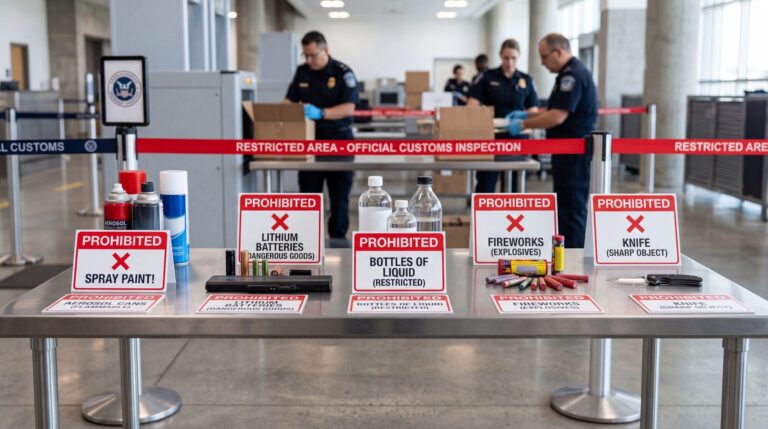
- Food items restricted by customs: Meat, dairy, and many fresh foods are restricted or prohibited when entering the EU, UK, and Ireland.
The Affordable Way to Ship More
Airline excess baggage fees add up fast — most transatlantic carriers charge $100–$200 per extra bag, and overweight fees can be even steeper. If you find yourself staring at a mountain of belongings that will not fit in your luggage allowance, shipping is almost always the more affordable and practical option.
City Post Express’s student shipping service is built specifically for this situation. We offer door-to-door shipping from anywhere in the US to universities across Ireland, the UK, and Europe. You pack your boxes, we collect them from your door, handle all the customs paperwork, and deliver them to your student accommodation — often before you even arrive.
For students heading to Ireland, we offer particularly competitive rates on our air freight routes, with typical transit times of 5–7 business days from pickup to delivery. It is a fraction of the cost of shipping extra airline bags, and you avoid dragging everything through airports and public transport.
Get a free student shipping quote here.
Your Pre-Departure Checklist
Two weeks before you fly, run through this final checklist:
- Passport is valid and visa is approved
- Shipped boxes are collected or dropped off (allow 1–2 weeks for delivery)
- Bank notified of international travel
- Phone plan sorted — get an international plan or plan to buy a local SIM on arrival
- Digital copies of all documents saved to the cloud
- Accommodation move-in date and instructions confirmed
- Travel insurance purchased if not covered by your programme
- Carry-on packed with documents, electronics, medications, and a change of clothes
Studying abroad is one of the best experiences you will ever have. Do not let packing stress take away from the excitement. Pack smart, ship what you can, and focus on the adventure ahead.
City Post Express has been shipping student belongings to Ireland, the UK, and Europe since 2004. Learn more about our student shipping service or contact us for a free quote.
Related Reading
Ready to Ship?
Get a free, no-obligation quote for your move. Door-to-door service with customs clearance included.
Get a Free Quote