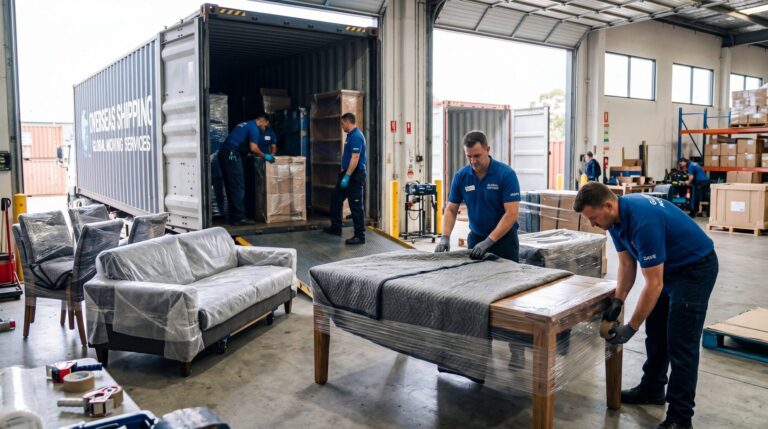
Prohibited and Restricted Items for International Shipping: The Complete List
Not sure what you can and cannot ship internationally? This comprehensive guide covers every category of prohibited and restricted items — from hazardous materials to food, weapons, electronics, and more — with specific notes for Ireland, the UK, and the EU.
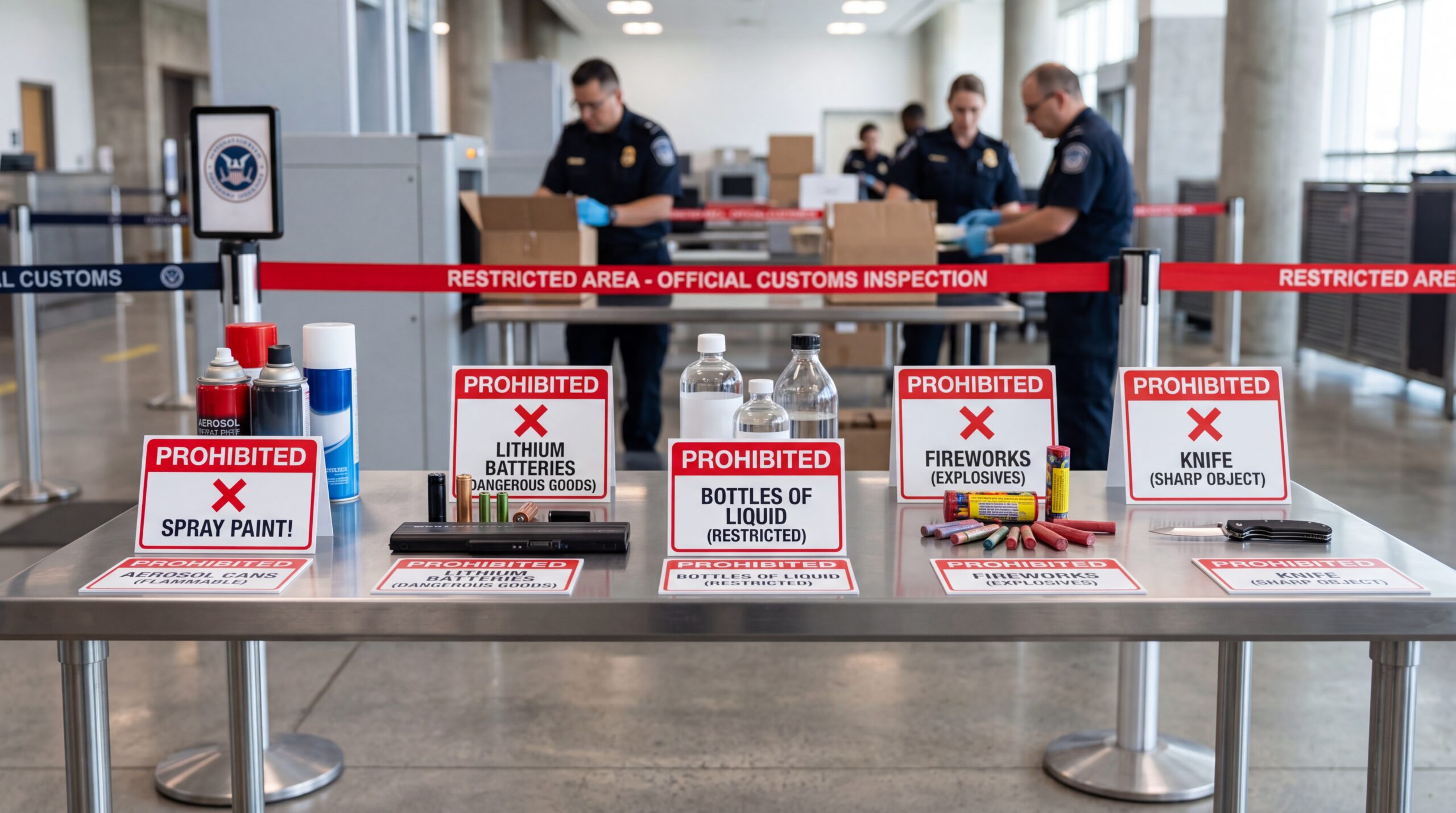
Every week at City Post Express, we review customer inventories before shipping and flag items that cannot travel by air or ocean freight. After 25 years of shipping personal belongings from the US to Ireland, the UK, and Europe, we have seen it all — from a can of lighter fluid tucked inside a toolbox to homemade jam sealed in mason jars. Some of these items are outright banned. Others are restricted, meaning they can ship under certain conditions but not others.
Understanding the difference between prohibited and restricted items before you pack can save you from customs seizures, fines, shipment delays, and even criminal penalties. This guide organizes every major category, explains why each restriction exists, and highlights country-specific rules for Ireland, the UK, and the EU.
Prohibited vs. Restricted: What Is the Difference?
A prohibited item cannot be shipped internationally under any circumstances. No carrier, no freight method, no exception. A restricted item may be shipped but only when specific conditions are met — special packaging, permits, quantity limits, or documentation. Carriers like USPS, UPS, FedEx, and DHL each maintain their own lists, but the categories below apply broadly across all of them.
Hazardous Materials and Dangerous Goods
Hazardous materials are the largest and most strictly enforced category of prohibited items in international shipping. They are regulated by the International Air Transport Association (IATA) Dangerous Goods Regulations for air freight and the International Maritime Dangerous Goods (IMDG) Code for ocean freight.
Why They Are Restricted
These materials can ignite, explode, corrode, or release toxic fumes during transit. Inside an aircraft cargo hold or a sealed shipping container at sea, even a small leak or reaction can endanger crew members, damage other shipments, and cause catastrophic incidents.
Common Hazardous Items People Try to Ship
- Flammable liquids: Paint, nail polish, perfume, lighter fluid, gasoline, turpentine, solvents, and adhesives
- Aerosol cans: Hairspray, spray deodorant, spray paint, insect repellent, cooking spray
- Compressed gases: Propane tanks, CO2 cartridges, fire extinguishers, camping stove fuel canisters
- Oxidizers and corrosives: Bleach, ammonia, pool chemicals, hydrogen peroxide in high concentrations
- Explosives and pyrotechnics: Fireworks, ammunition, flares, Christmas crackers (yes, really)
- Poisons and toxic substances: Pesticides, insecticides, rat poison, mercury thermometers
- Radioactive materials: Smoke detectors containing americium, certain medical isotopes
- Customs Clearance for International Shipping: Complete Guide
At City Post Express, we catch these during our pre-shipping inventory review. We once had a customer unknowingly pack a half-full can of WD-40 inside a box of garage tools. Had that gone undetected, it could have caused their entire shipment to be seized at the port.
Lithium Batteries and Electronics
Electronics are among the most commonly shipped personal items — laptops, tablets, gaming consoles, and phones. The items themselves are usually fine. The problem is the lithium batteries inside them.
Why They Are Restricted
Lithium-ion and lithium-metal batteries can overheat, short-circuit, and ignite — a phenomenon called thermal runaway. This risk is dramatically higher with loose or damaged batteries, and it is the reason airlines have strict rules about them in cargo.
What You Need to Know
- Electronics with batteries installed (laptops, phones, tablets) can generally ship by ocean freight but face restrictions on air freight
- Loose lithium batteries — batteries not installed in a device — are prohibited on both air and ocean freight
- Power banks and portable chargers are restricted on air freight and must meet watt-hour limits
- Devices should be powered off and protected against accidental activation during transit
- Damaged or recalled batteries cannot be shipped by any method
Ireland and EU note: There are no special EU-specific rules beyond the international standards, but Irish customs may inspect electronics shipments and require proof of ownership if the items appear new or commercial in quantity.
Food, Perishables, and Agricultural Products
Food items are one of the most common questions we get from customers moving to Ireland: “Can I bring my favorite hot sauce?” or “What about sealed packages of coffee?” The answer depends on the type of food, how it is packaged, and the destination country.
Why They Are Restricted
Countries restrict food imports to prevent the introduction of pests, diseases, and invasive species that could devastate local agriculture. The EU takes this especially seriously.
Commonly Restricted Food Items
- Fresh fruits and vegetables: Prohibited by virtually every country due to pest risk
- Meat and dairy products: The EU prohibits most meat, dairy, and animal-product imports from non-EU countries for personal consumption — this includes beef jerky, cheese, and even some protein powders
- Homemade or unsealed food: Items without commercial labeling and ingredient lists will be confiscated
- Seeds, grains, and nuts: Often restricted and may require phytosanitary certificates
- Honey: Restricted in many countries due to disease transmission risk to bee populations
Ireland and UK note: Post-Brexit, the UK and the EU (including Ireland) have different food import rules. The UK has its own Border Target Operating Model for food safety. Ireland, as an EU member state, follows strict EU food safety regulations. Commercially sealed, shelf-stable items like canned goods or sealed spice packets are sometimes allowed, but there is always a risk of confiscation. When in doubt, leave food items behind.
Weapons and Firearms
This category is straightforward: weapons are universally prohibited in international shipping without very specific government-issued export and import licenses.
Why They Are Prohibited
International arms treaties, export control laws (including US ITAR regulations), and destination country laws make the unauthorized shipment of weapons a serious criminal offense — not just a customs violation.
What Is Included
- Firearms of any kind, including antique guns and replicas that resemble real firearms
- Ammunition, including spent casings in some jurisdictions
- Explosives, detonators, and blasting caps
- Stun guns, tasers, and pepper spray
- Switchblades, butterfly knives, and certain other edged weapons
- Crossbows and certain martial arts weapons
Ireland note: Ireland has some of the strictest firearms laws in Europe. Even items considered legal in many US states — such as pepper spray and stun guns — are classified as prohibited weapons in Ireland. Do not attempt to ship these items.
UK note: The UK also maintains strict weapons controls. Certain types of knives legal in the US (such as fixed-blade knives over 3 inches) are prohibited imports.
Plants, Soil, and Live Animals
If you are a plant lover, this one hurts: you generally cannot ship your houseplants internationally.
Why They Are Restricted
Plants can harbor insects, fungi, bacteria, and invasive species that could cause devastating ecological damage in a new environment. Soil is equally problematic because it can contain nematodes, pathogens, and seeds of invasive plants. Live animals present welfare concerns and disease risks.
What Is Prohibited
- Live plants, cuttings, and bulbs (without a phytosanitary certificate, and even with one, many species are banned)
- Soil and growing media of any kind
- Live animals, insects, and biological specimens
- Untreated wood products (pallets and crates must be heat-treated and ISPM-15 stamped)
- Endangered species products: ivory, tortoiseshell, certain furs, coral, and products made from CITES-listed species
EU note: The EU has the Plant Health Regulation (EU 2016/2031) which requires phytosanitary certificates for nearly all plant imports from non-EU countries. Even with documentation, many species are banned outright to protect European agriculture and biodiversity.
Liquids, Gels, and Pastes
This category catches many people off guard. It is not just about hazardous liquids — even non-hazardous liquids face significant restrictions, especially on air freight.
Why They Are Restricted
Liquids can leak during transit and damage other cargo. Under pressure changes in aircraft cargo holds, even well-sealed containers can burst. Additionally, liquids are difficult for security screening equipment to identify, which makes them a security concern.
Items to Watch Out For
- Alcohol: Prohibited on air freight; may ship by ocean freight in limited quantities with proper declarations, but both Ireland and the UK charge significant excise duty on alcohol imports
- Personal care products: Shampoo, conditioner, lotion, and cosmetics are restricted on air freight and may leak during ocean transit
- Cleaning products: Most household cleaners contain chemicals that classify them as hazardous
- Cooking oils and sauces: Technically not hazardous, but risky to ship due to leakage and subject to food import regulations
Other Commonly Prohibited Items
Several other categories round out the list of items you cannot ship internationally:
- Currency and financial instruments: Cash, bank notes, bearer bonds, and negotiable securities
- Counterfeit goods: Fake branded items will be seized and destroyed by customs, and the shipper may face legal action
- Tobacco products: Including cigarettes, cigars, e-cigarettes, vapes, and vape liquids — prohibited by most carriers and heavily taxed at import
- Prescription medication: May ship in limited quantities with a valid prescription, but regulations vary by country. Ireland requires medications to be licensed by the HPRA (Health Products Regulatory Authority)
- Cultural artifacts and antiques: Items of cultural or historical significance may require export permits. Some countries prohibit their export entirely
- Pornographic material: Prohibited in many countries and restricted in others
- Gambling devices: Lottery tickets and gambling machines are prohibited in several jurisdictions
Country-Specific Restrictions: Ireland, UK, and EU
Beyond the universal prohibitions, each destination has its own rules. Here are the key ones our customers encounter most often:
Ireland
- Strict EU food import rules apply — most meat, dairy, and animal products from the US are prohibited for personal import
- Weapons restrictions are among the strictest in Europe — pepper spray and stun guns are prohibited
- Alcohol and tobacco imports are subject to excise duty regardless of quantity
- Transfer of Residence relief can exempt used personal belongings from customs duty, but prohibited items are still prohibited regardless of relief status
United Kingdom
- Post-Brexit, the UK operates under its own import regulations separate from the EU
- HMRC (His Majesty’s Revenue and Customs) enforces its own Transfer of Residence scheme for people moving to the UK
- The UK has specific restrictions on knives — you cannot import knives with blades longer than 3 inches that lock open
- Certain US food products containing additives banned in the UK (such as some artificial colors) may be refused entry
EU (General)
- The EU maintains a harmonized list of prohibited imports, but individual member states can add their own restrictions
- All wood packaging must comply with ISPM-15 standards (heat-treated, stamped)
- Products containing certain chemicals restricted under REACH regulations may be refused entry
How City Post Express Protects You
At City Post Express, we do not just hand you a list and wish you luck. We actively review every customer’s inventory before shipping to identify any prohibited or restricted items. Here is how our process works:
- Pre-shipping inventory review: You provide us with a detailed list of what you plan to ship. We review it item by item and flag anything that could cause problems.
- Personalized guidance: If an item is restricted (not outright prohibited), we explain the options — different packaging, choosing ocean freight over air freight, or obtaining required documentation.
- Customs expertise: We handle customs clearance at the destination, so we know exactly what Irish, UK, and EU customs officers look for.
- No surprises: By catching issues before your shipment leaves the US, we prevent delays, seizures, and unexpected costs at the other end.
If you are planning an international move and are not sure what you can and cannot ship, get in touch for a free quote. We will review your inventory and give you a clear answer on every item — before you pack a single box.
Related Reading
Ready to Ship?
Get a free, no-obligation quote for your move. Door-to-door service with customs clearance included.
Get a Free Quote