How Long Does Customs Clearance Take? Timelines for International Shipping
Customs clearance typically takes 1–5 business days, but timelines vary by country and shipping method. Here are real timelines from our experience clearing shipments into Ireland, the UK, and Europe — plus what speeds things up and what causes delays.
How Long Does Customs Clearance Really Take?
If you’re shipping personal belongings, household goods, or commercial cargo internationally, one of the first questions you’ll ask is: how long does customs clearance take?
The honest answer is that it depends. We’ve cleared thousands of shipments through customs over more than 25 years at City Post Express, and we’ve seen clearance happen in under four hours — and we’ve seen it stretch beyond two weeks when things go wrong.
The typical customs processing time for a well-documented shipment is 1 to 3 business days. But that number shifts depending on three things: which country you’re shipping to, whether you’re using air freight or ocean freight, and how clean your paperwork is.
In this guide, we’ll give you real timelines from our day-to-day operations, break things down by destination and shipping method, and show you exactly what speeds up customs — and what slows it down.
Customs Clearance Timelines by Shipping Method
The shipping method you choose has the single biggest impact on how long customs takes. Here is what we consistently see across our shipments.
Air Freight: 24 to 72 Hours
Air freight shipments are the fastest to clear customs. Documentation is typically transmitted electronically before the aircraft lands, which means customs officers can begin reviewing your paperwork while your cargo is still in the air. In most cases, air freight clears customs within 24 to 48 hours of arrival.
Express courier shipments — handled by carriers like DHL, FedEx, or UPS — often clear in as little as a few hours because these carriers have dedicated customs brokerage teams embedded at airports. For standard air cargo, expect 1 to 3 business days.
We typically recommend air freight to customers who have a tight timeline or are shipping smaller volumes of personal effects. The faster customs clearance is one of the key advantages, though it does come at a higher per-kilo cost than ocean freight.
Ocean Freight: 3 to 7 Business Days
Ocean freight takes longer to clear customs, but not for the reasons most people assume. The extra time is partly because ports handle much higher volumes than airports, and partly because ocean cargo often requires additional documentation such as a bill of lading, Importer Security Filing, and arrival notices.
For a full container load (FCL), clearance usually takes 3 to 5 business days once the vessel has docked. For less-than-container-load (LCL) shipments, it can stretch to 5 to 7 business days because your cargo shares a container with other importers’ goods — and the entire container must be cleared before any individual shipment is released.
The good news is that with ocean freight, there is a longer transit period (typically 2 to 6 weeks depending on the route), which gives us time to file all customs entries and pay duties before the ship even arrives. When we do this correctly, containers can be released within a day or two of docking.
Customs Clearance Timelines by Country
We specialise in shipping from the United States to Ireland, the UK, and destinations across Europe. Here is what customs clearance looks like in each of these markets based on our direct experience.
Ireland: 1 to 3 Business Days
Irish customs, managed by Revenue (the Irish tax and customs authority), tends to process shipments relatively quickly. For personal effects and household goods shipped from the US to Ireland, clearance typically takes 1 to 3 business days once goods arrive at Dublin Port or Shannon.
Ireland has a well-established electronic customs system, and we file declarations through Revenue’s Automated Import System (AIS) before arrival. This pre-clearance significantly speeds things up. The most common cause of delay at Irish customs is missing or incorrect Transfer of Residence (TOR) documentation for people relocating from the US. If you’re moving to Ireland and importing personal belongings duty-free, you need proof of US residency and evidence of your move — and Revenue will hold your shipment until that paperwork is provided.
United Kingdom: 1 to 4 Business Days
Since Brexit, UK customs clearance has changed significantly. Shipments entering the UK now require full customs declarations through HMRC’s Customs Declaration Service (CDS), even for goods arriving from EU countries.
For shipments from the US, clearance usually takes 1 to 4 business days. Air freight into Heathrow or other UK airports tends to clear in 1 to 2 days. Ocean freight arriving at ports like Felixstowe or Southampton typically takes 2 to 4 days, though port congestion at Felixstowe has occasionally pushed timelines to 5 or 6 days during peak periods.
Post-Brexit, we have seen more delays caused by incorrect commodity codes and confusion around duty calculations. Working with a freight forwarder who understands the UK’s post-Brexit requirements is more important than ever.
EU Countries (Germany, France, Netherlands, etc.): 1 to 5 Business Days
Customs clearance across the European Union follows a common framework through the Union Customs Code (UCC), but processing times vary by country and port. In general, expect 1 to 5 business days.
Rotterdam (Netherlands) and Hamburg (Germany) are two of the busiest ports in Europe, and clearance there can take 2 to 5 days due to volume. Smaller ports tend to be faster. Air freight into major EU airports like Frankfurt or Amsterdam typically clears in 1 to 2 days.
One advantage of shipping to the EU is that once goods clear customs in any EU member state, they can move freely throughout the entire bloc without further customs checks. This is why we sometimes route shipments through a faster port of entry even if the final destination is in a different EU country.
What Causes Customs Delays?
After clearing thousands of international shipments, we can say with confidence that 90% of customs delays are caused by paperwork problems. Here are the most common reasons a shipment gets held up.
Incomplete or Incorrect Documentation
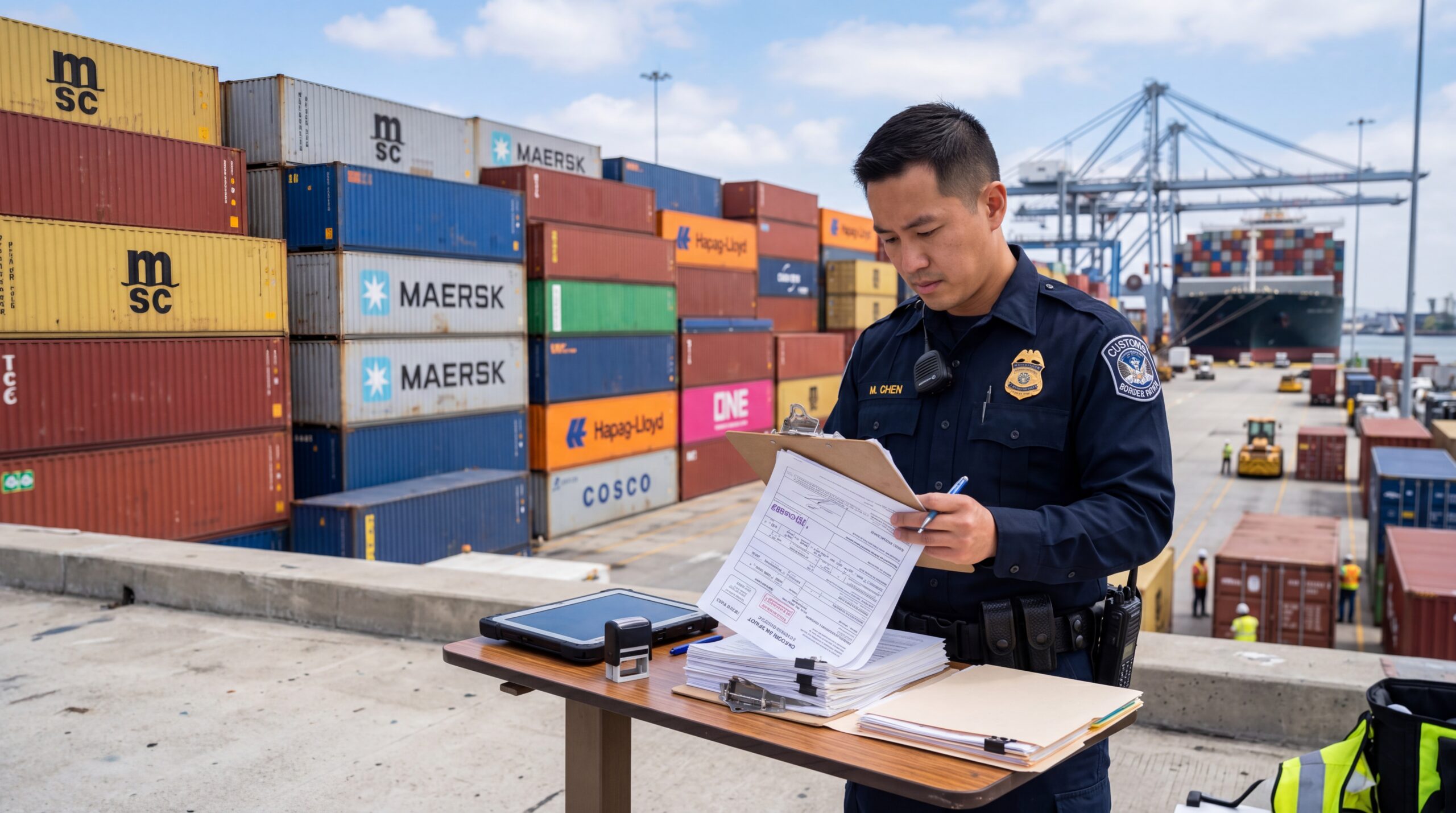
This is the number one cause of customs delay internationally. A missing commercial invoice, an inaccurate goods description, or a wrong HS (Harmonized System) tariff code will stop your shipment in its tracks. Customs officers cannot process what they cannot verify. Every document must match: the invoice must match the packing list, which must match the bill of lading, which must match the customs declaration.
Unpaid or Miscalculated Duties and Taxes
Customs will not release your goods until all applicable duties and taxes have been paid in full. If the declared value is questioned, or if the wrong tariff classification was used, customs may reassess the duties owed — and your shipment sits in a bonded warehouse until the difference is settled. This can add 3 to 10 additional business days.
Random Inspections
Every customs authority conducts random physical inspections of a percentage of incoming shipments. This is a security measure and is largely outside your control. A random inspection typically adds 1 to 3 business days, though a thorough examination of a full ocean container can take longer. Having clear, complete documentation helps inspectors process your shipment faster even when it is selected for review.
Restricted or Regulated Goods
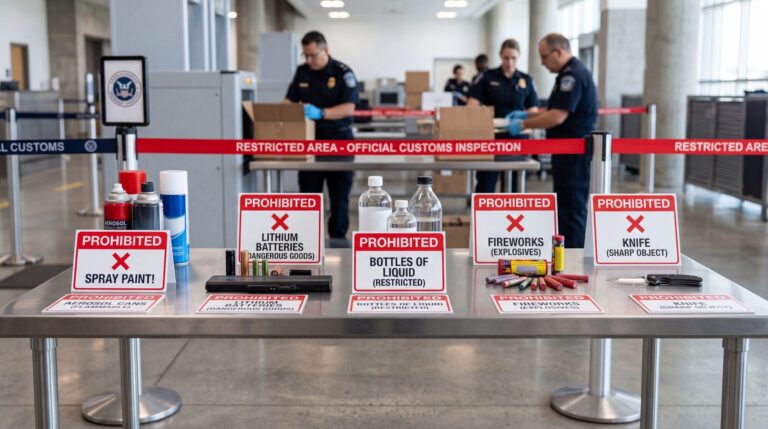
Certain items require additional permits, licences, or certifications before they can be imported. This includes food products, plants, certain electronics, medications, and goods made from protected materials. If your shipment contains restricted items and you have not secured the necessary approvals in advance, customs will hold everything until the requirements are met.
Port Congestion and Seasonal Backlogs
During peak shipping seasons — particularly September through December — major ports experience significant backlogs. Labour shortages, bad weather, and high cargo volumes can all push customs processing times well beyond normal ranges. We have seen clearance at congested ports take up to two weeks during the worst periods.
How to Speed Up Customs Clearance
Based on decades of experience, here are the most effective ways to get your shipment through customs faster.
Get Your Paperwork Right the First Time
This cannot be overstated. Double-check every document before your shipment leaves the origin country. Make sure your commercial invoice includes a complete description of goods, accurate values, correct HS codes, and the full names and addresses of both shipper and consignee. A packing list should itemise every box or pallet with contents, weights, and dimensions.
File Customs Entries Before Arrival
Most customs authorities allow — and prefer — pre-arrival filing. For ocean freight, we submit customs entries days before the vessel reaches port. For air freight, we file electronically while goods are in transit. Pre-clearance means your shipment can be released almost immediately upon arrival rather than joining the queue.
Use a Licensed Customs Broker or Freight Forwarder
A professional customs broker understands the regulations, knows which documents are required for specific goods and destinations, and has established relationships with customs authorities. At City Post Express, we are FMC licensed and bonded (License #034938), which means we can handle every aspect of the customs process on your behalf.
Pay Duties and Taxes Promptly
Have your duty payments ready before your shipment arrives. If you know the tariff classification and declared value in advance, you can calculate your duties ahead of time and have funds available. Delays in payment are one of the easiest problems to prevent.
Avoid Peak Periods When Possible
If you have flexibility in your shipping timeline, avoid the busiest periods at major ports. August through December is the peak season for transatlantic shipping. January and February tend to be quieter, with shorter customs processing times.
What Happens After Customs Clearance?
Once customs releases your shipment, your freight forwarder or carrier arranges final delivery to your door or to a designated collection point. For air freight, this usually happens within 1 to 2 business days of clearance. For ocean freight, it depends on the distance from the port to your final destination — typically 1 to 5 business days for delivery within Ireland or the UK.
At City Post Express, we handle the entire chain from collection in the US through customs clearance to final delivery at your address in Ireland, the UK, or Europe. You receive tracking updates at every stage, including confirmation when customs clearance is complete.
The Bottom Line
So, how long does customs clearance take? For most well-prepared shipments, expect 1 to 3 business days for air freight and 3 to 7 business days for ocean freight. Country-specific timelines are broadly similar across Ireland, the UK, and the EU, though post-Brexit UK clearance can occasionally take a day or two longer.
The single most important thing you can do to speed up customs is to ensure your documentation is complete and accurate before your goods ship. And the best way to guarantee that is to work with an experienced freight forwarder who handles customs clearance every day.
If you are planning an international shipment and want to understand the customs process for your specific situation, get in touch with our team. We will give you a realistic timeline and make sure your goods clear customs without unnecessary delays.
Related Reading
Ready to Ship?
Get a free, no-obligation quote for your move. Door-to-door service with customs clearance included.
Get a Free Quote