How to Pack Boxes for International Shipping (So Nothing Breaks)
After 25 years of shipping personal belongings overseas, we have seen every packing mistake in the book. Here is how to pack your boxes properly so everything arrives in one piece.
After 25 years of shipping personal belongings from the US to Ireland, the UK, and Europe, we have seen every packing mistake in the book. Crushed photo frames, shattered ceramics, water-damaged books, and electronics that arrive dead on arrival. The good news? Almost all shipping damage is preventable with proper packing technique.
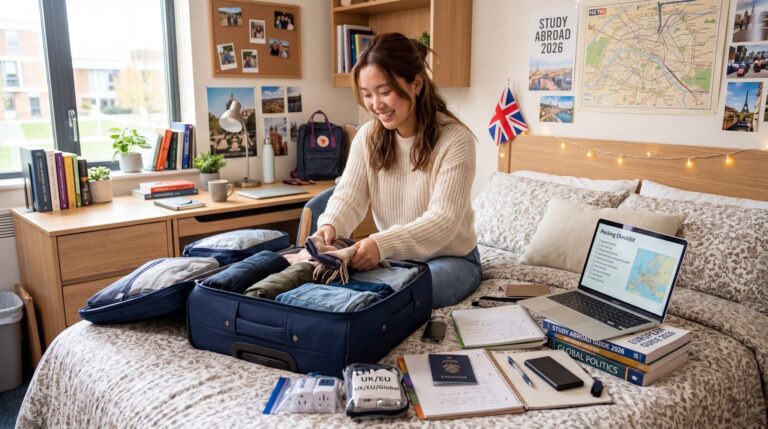
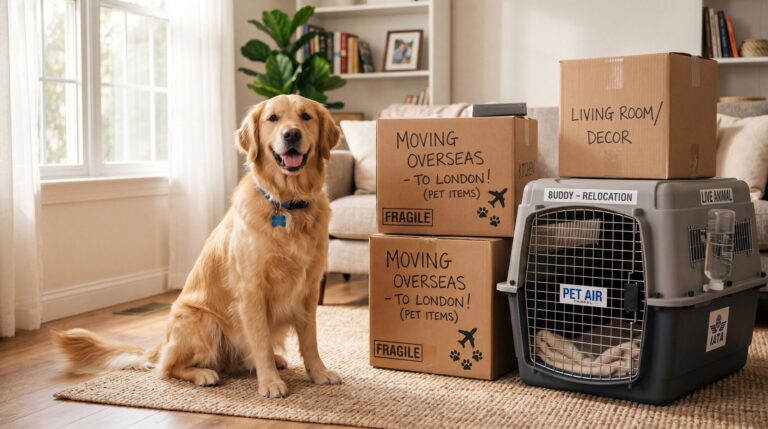
Whether you are packing 5 boxes for a semester abroad or 50 boxes for a full international move, these tips will help you protect your belongings and avoid common pitfalls that cause damage — or worse, customs delays.
Choose the Right Boxes
Not all boxes are created equal. For international shipping, you need strong, double-walled corrugated cardboard boxes. Avoid thin single-wall boxes, recycled grocery boxes, and anything that is already damaged or soft. Your boxes will be stacked in a container and potentially jostled during ocean transit — they need to hold their shape under pressure.
- Use new or near-new double-wall corrugated boxes
- Standard sizes (18x18x16 or similar) stack best in containers
- Avoid oversized boxes — they become too heavy and hard to handle
- Reinforce the bottom of every box with packing tape in an H-pattern
- Never exceed 50 lbs (23 kg) per box for ocean freight
Wrap Fragile Items Individually
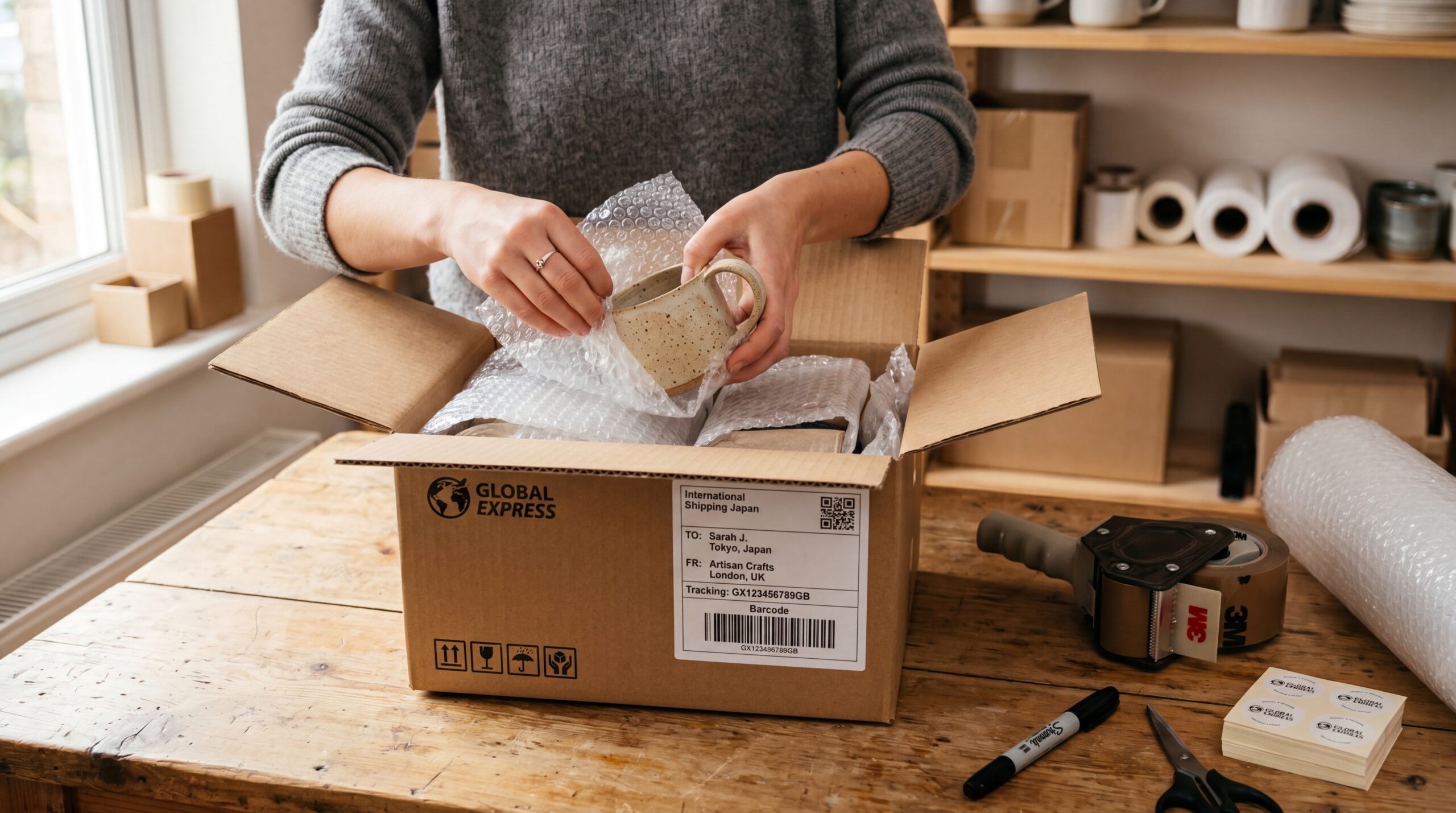
Every fragile item should be wrapped individually in bubble wrap or packing paper. No exceptions. Do not let fragile items touch each other inside a box — the vibration during ocean transit will cause them to rub and chip over a period of weeks. Glasses, mugs, and ceramics should be wrapped individually, then packed upright in a box with crumpled paper filling every gap.
Use your towels, blankets, and clothing as additional padding around fragile items. This saves on packing materials and makes use of soft goods you are shipping anyway.
Pack Heavy Items at the Bottom
Books, tools, and heavy household items go at the bottom of the box. Lighter items like clothes and linens go on top. This prevents crushing and keeps the center of gravity low, making boxes more stable when stacked. If you have a box that is entirely books, keep it small — a full large box of books can weigh 70+ lbs and is almost impossible to lift safely.
Label Everything Clearly
Every box should be clearly labeled on at least two sides with your name, destination address, and a brief description of contents. This is not just for your convenience — customs inspectors may ask for a contents list, and clear labeling speeds up the customs clearance process. Mark fragile boxes clearly. If a box has glass or electronics, mark it with FRAGILE and an arrow indicating which end is up.
What NOT to Pack
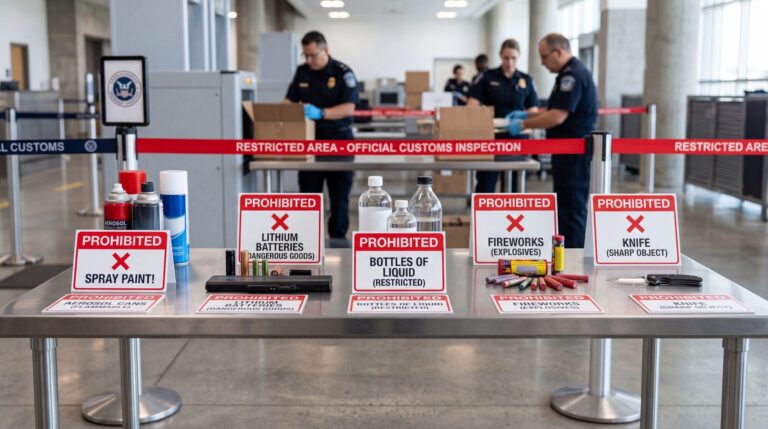
There are items that cannot be shipped internationally by ocean or air freight. Packing prohibited items can result in your entire shipment being held at customs, delayed, or even confiscated. Do not pack:
- Flammable liquids (paints, solvents, lighter fluid, aerosol cans)
- Perishable food items (fresh or frozen food, opened food packages)
- Hazardous materials (bleach, ammonia, batteries outside devices)
- Firearms, ammunition, or weapons of any kind
- Live plants or fresh flowers
- Cash, passports, or irreplaceable documents — carry these with you
City Post Express provides a detailed packing checklist and prohibited items list with every quote. If you are unsure whether something can be shipped, ask us before you pack it.
Create a Detailed Inventory
Before you seal each box, write down exactly what is in it. This inventory serves multiple purposes: it helps customs clearance go smoothly, it is required for insurance claims if anything is damaged, and it helps you unpack efficiently when your shipment arrives. We recommend a simple spreadsheet: box number, contents, estimated value. City Post Express can provide an inventory template if you need one.
Seal Boxes Properly
Use strong packing tape — not duct tape, masking tape, or string. Apply tape in an H-pattern on both the top and bottom of every box, running it along all seams. A properly sealed box should not flex or open when you push on it. Customs may open and re-seal boxes during inspection, but starting with a well-sealed box reduces the risk of contents shifting or falling out during transit.
Related Reading
Ready to Ship?
Get a free, no-obligation quote for your move. Door-to-door service with customs clearance included.
Get a Free Quote