Reasons Not to Move to Ireland (And Why People Move Anyway)
Thinking about moving to Ireland? Here are the real downsides — from housing costs and weather to healthcare wait times — and why thousands of people still make the move every year.
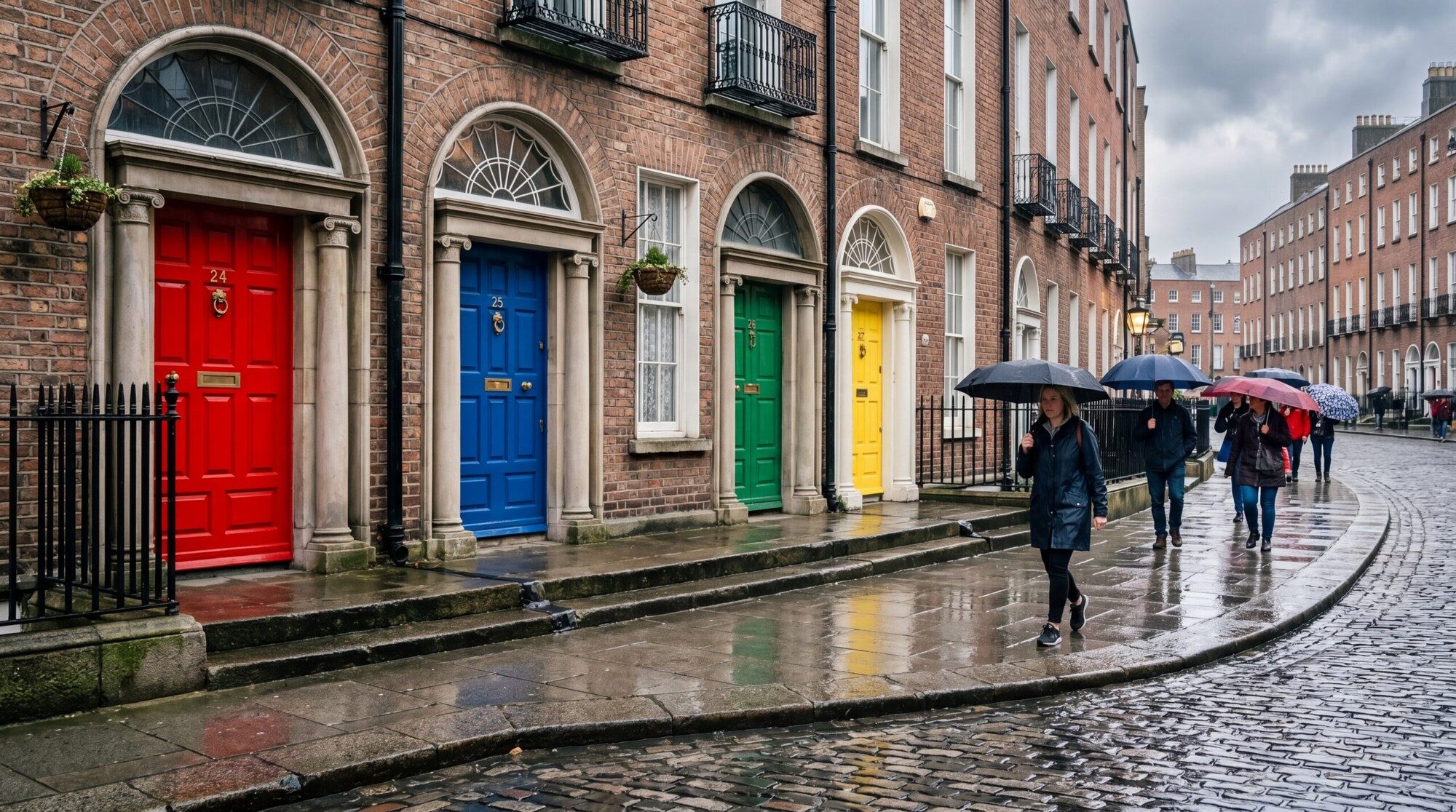
If you are researching a move to Ireland, you have probably come across plenty of articles painting the Emerald Isle as a near-perfect destination. Friendly locals, stunning scenery, English-speaking, gateway to Europe — the selling points are real. But so are the downsides.
At City Post Express, we have helped thousands of families and individuals ship their belongings to Ireland. We have heard every concern, every hesitation, and every honest review after the dust settles. This guide covers the genuine reasons not to move to Ireland — and then explains why so many people decide it is still worth it.
1. The Housing Crisis Is Real
This is the single biggest complaint we hear from clients. Ireland is in the grip of a severe housing shortage, and it hits hardest in Dublin, Cork, and Galway.
- Rental prices: A one-bedroom apartment in Dublin averages EUR 1,800 to EUR 2,200 per month. Even outside the capital, rents have climbed sharply since 2020.
- Low supply: Demand far outstrips the number of available properties. It is not unusual for dozens of people to show up to a single viewing.
- Buying is no easier: House prices have risen by double digits in recent years, and securing a mortgage as a newcomer is difficult due to stricter lending rules for non-residents.
Why people move anyway
Many of our clients lock down accommodation before they arrive by joining local Facebook groups, using Daft.ie, and networking with expat communities. Others choose smaller cities like Limerick or Waterford where rents are significantly lower. The housing market is tough — but it is not impossible with preparation.
2. The Cost of Living Is Among Europe’s Highest
Ireland ranks as one of the most expensive countries in the EU for consumer goods and services. Everything from groceries to a meal out to childcare costs more than the European average.
- Groceries: Roughly 20 to 30 percent higher than many EU countries.
- Dining out: A casual dinner for two can easily run EUR 70 to EUR 100.
- Childcare: Among the most expensive in Europe, often exceeding EUR 1,000 per month per child.
- Fuel and car insurance: Irish fuel taxes are over 50 percent, and car insurance premiums remain notoriously high.
Why people move anyway
Salaries in Ireland, particularly in tech, pharma, and financial services, are among the highest in Europe. The tax system also offers incentives like the Special Assignee Relief Programme (SARP) for certain relocated workers. Many expats find that higher earnings offset the higher costs.
3. The Weather Will Test You
There is no sugarcoating this one. Ireland’s climate is mild but relentlessly damp. Rain can fall multiple times in a single day, and winter days are short — sunrise after 8:30 a.m. and sunset before 4:30 p.m. in December.
- Annual rainfall: Dublin gets around 730 mm per year, while the west coast (Galway, Cork) sees upward of 1,200 mm.
- Grey skies: Extended overcast stretches are common, particularly from October through March.
- Impact on mood: Seasonal affective disorder (SAD) is a genuine concern for newcomers used to sunnier climates.
Why people move anyway
The flip side of all that rain is why Ireland is called the Emerald Isle — the landscape is breathtakingly green year-round. Summers are long and mild with daylight stretching past 10 p.m. in June. Many expats also say they quickly adapt and learn to appreciate the dramatic skies and cozy indoor culture that the weather fosters.
4. Healthcare Wait Times Can Be Frustrating
Ireland’s public healthcare system (the HSE) provides coverage to all residents, but the waiting lists are a well-known pain point.
- Specialist appointments: Non-urgent referrals can mean waiting six months or longer.
- Emergency departments: Overcrowding in hospitals is a frequent news headline.
- GP shortages: In some rural areas, finding a general practitioner accepting new patients is difficult.
Why people move anyway
Private health insurance, while an added expense (roughly EUR 1,200 to EUR 2,500 per year), dramatically reduces wait times. Many employers include health insurance as a standard benefit. And compared to the US system, even Ireland’s imperfect public healthcare means you will never face a six-figure hospital bill.
5. Public Transport Outside Dublin Is Limited
If you are used to an extensive metro or rail system, Ireland will feel underdeveloped. Dublin has buses, trams (the Luas), and a commuter rail (DART), but coverage thins out quickly beyond the capital.
- Rural areas: A car is essentially a necessity.
- Bus reliability: Intercity and rural bus services can be infrequent and unpredictable.
- No metro: Dublin still lacks an underground metro system, though the MetroLink project is in development.
Why people move anyway
Ireland is a small country — you can drive from Dublin to Galway in about two and a half hours. Many expats find that car ownership, while expensive, gives them the freedom to explore the entire island easily. The compact size of the country turns what feels like a transport limitation into a lifestyle advantage.
6. Pub Culture and Social Integration Take Effort
The Irish are famously warm and welcoming, but forming deep friendships as an outsider takes time. A large portion of social life revolves around pubs, which can feel exclusionary if you do not drink.
- Surface-level friendliness: People are extremely approachable, but moving from friendly chat to genuine friendship requires patience.
- Alcohol-centric socialising: Many social events default to the pub.
- Expat turnover: In cities like Dublin, the international community is transient, which can make it harder to maintain a stable social circle.
Why people move anyway
The rise of sports clubs (GAA, running, cycling), co-working spaces, and community groups has created plenty of non-pub social options. Ireland’s sober-curious movement is also growing, with alcohol-free venues and events becoming more common. Most expats who stay long-term say that once friendships form in Ireland, they are exceptionally strong.
7. Bureaucracy Moves Slowly
Setting up your life in Ireland — from getting a PPS number to opening a bank account to registering with Revenue — involves paperwork and patience. Processes that might be digital-first in other countries can still require in-person visits and posted documents in Ireland.
Why people move anyway
The bureaucracy is a temporary hurdle, not a permanent barrier. Once you are set up, daily life runs smoothly. And Ireland’s government services have been steadily digitising, with online portals improving year by year.
So Is Ireland a Good Place to Live?
Here is the honest answer: it depends on your priorities. Ireland has genuine downsides of living in Ireland that anyone considering the move should understand. The housing market is challenging. The cost of living is high. The weather is not for everyone. Healthcare needs improvement.
But the reasons people still choose Ireland are equally real:
- Safety: Ireland consistently ranks among the safest countries in the world, with very low rates of violent crime.
- Career opportunities: Dublin is a European headquarters for Apple, Google, Meta, Pfizer, and dozens of other global companies.
- Quality of life: Shorter working hours, generous annual leave, and a culture that values time with family and friends.
- Education: High-quality public schooling and internationally respected universities.
- Location: One of the closest European countries to the US, and a perfect base for exploring the rest of Europe.
- English-speaking: No language barrier for Americans, Canadians, or Brits.
The cons of moving to Ireland are real — but for many people, the trade-offs are worth it.
Planning Your Move? Start With What You Can Control
You cannot fix the housing market or change the weather. But you can make your move significantly less stressful by planning the logistics carefully.
If you are moving from the US, our complete guide to moving to Ireland from the US walks you through visas, timelines, and what to expect. For details on shipping your belongings, see our Ireland destination page or learn about our international mini moves service — ideal for individuals and couples who do not need a full container.
At City Post Express, we have been helping people navigate international moves for years. We know the concerns because we hear them every day. And we know that with the right preparation, the reasons not to move to Ireland become manageable challenges rather than deal-breakers.
Ready to start planning? Get in touch for a free shipping quote, or explore our Ireland moving resources to take the first step.
Related Reading
Ready to Ship?
Get a free, no-obligation quote for your move. Door-to-door service with customs clearance included.
Get a Free Quote